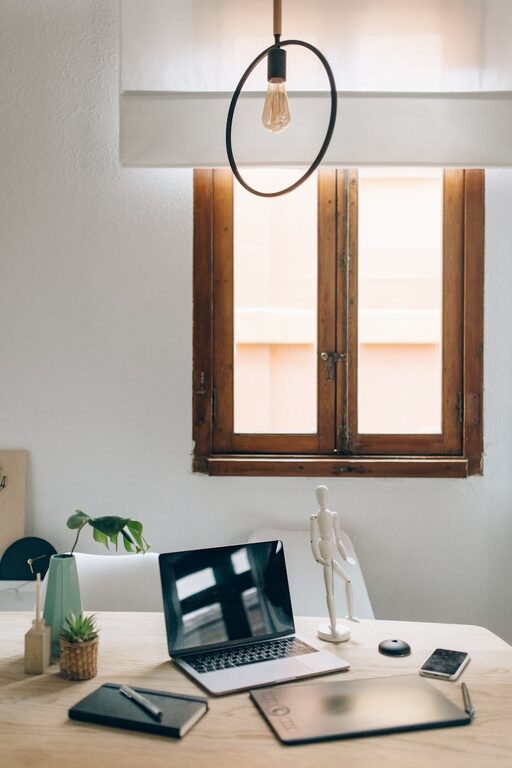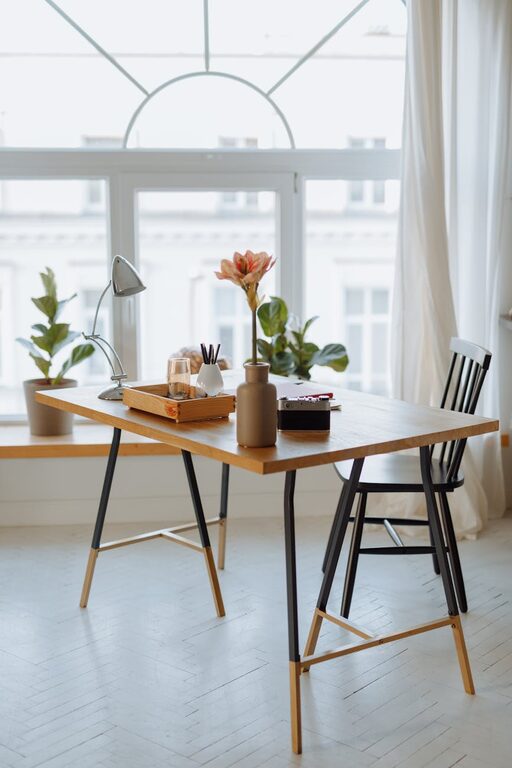
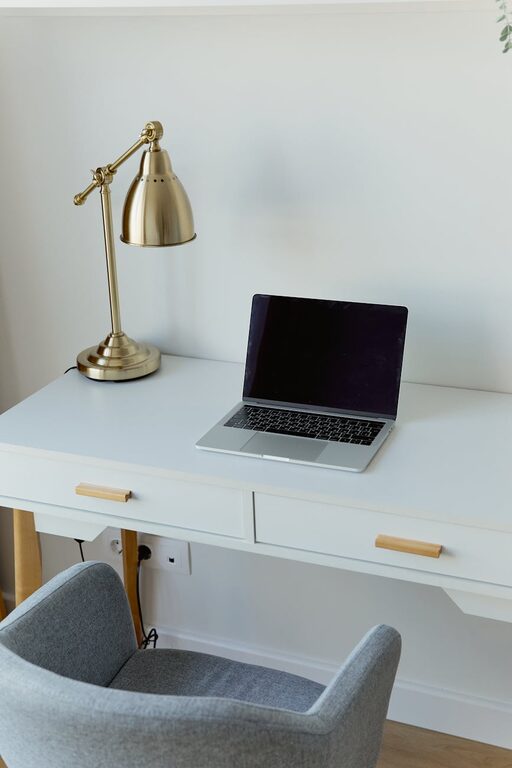
Creating a comfortable and productive home office is more important than ever as many people continue to work remotely. Your workspace can greatly influence how motivated and focused you feel throughout the day. Whether you have a dedicated room or a small corner, setting up an effective home office is achievable with a few simple tips.
1. Choose the Right Location
Start by selecting a spot in your home that suits your work style.
– Quiet and Private: Choose a place away from high traffic areas to minimize distractions.
– Natural Light: Position your desk near a window to benefit from daylight, which can improve mood and energy.
– Space Availability: Make sure you have enough room for your desk, chair, and any necessary equipment.
If space is limited, try to designate a specific area as your office even if it’s just a corner in your living room or bedroom.
2. Invest in Comfortable Furniture
Comfort plays a key role in productivity and well-being.
– Ergonomic Chair: Select a chair that supports your lower back and encourages good posture.
– Proper Desk Height: Your desk should allow your arms to rest comfortably with elbows at a 90-degree angle.
– Adjustable Options: Consider furniture that can be adjusted to fit your needs, such as height-adjustable desks or chairs.
Avoid working from your sofa or bed, as these spaces often lead to poor posture and discomfort.
3. Organize Your Workspace
A clutter-free setup helps maintain focus and efficiency.
– Use Storage Solutions: Shelves, drawers, and filing cabinets keep documents and supplies organized.
– Keep Essentials Handy: Place frequently used items within easy reach to avoid unnecessary interruptions.
– Cable Management: Use clips or ties to prevent cords from tangling and creating visual clutter.
Regularly tidying your space can reduce stress and make it easier to concentrate.
4. Minimize Distractions
Creating boundaries between work and home life is essential.
– Set Clear Work Hours: Communicate your schedule to family or roommates to minimize interruptions.
– Use Noise-Canceling Tools: Headphones or white noise machines can help block out disruptive sounds.
– Limit Digital Distractions: Turn off unnecessary notifications and keep non-work-related tabs closed.
If possible, establish a “do not disturb” signal during focused work periods.
5. Personalize Your Space
Adding personal touches can make your office feel welcoming.
– Decor: Choose artwork or plants that inspire and brighten the room.
– Comfort Items: Include a cozy blanket, cushion, or a small fan or heater depending on your climate.
– Motivational Elements: Keep quotes, calendars, or vision boards visible to stay motivated.
The goal is to create an environment where you look forward to spending time.
6. Optimize Lighting
Proper lighting reduces eye strain and fatigue.
– Natural Lighting: Take advantage of daylight as much as possible.
– Task Lighting: Use desk lamps with adjustable brightness for focused work.
– Avoid Glare: Position your screen to avoid reflections from windows or lights.
Warm light bulbs tend to be easier on the eyes during extended work sessions.
7. Set Up Technology Efficiently
Reliable technology is the backbone of a home office.
– Stable Internet: Ensure a strong Wi-Fi connection or consider a wired Ethernet cable for better speed.
– Quality Hardware: Invest in a good monitor, keyboard, and mouse that suit your workflow.
– Backup Power: Consider an uninterruptible power supply (UPS) to protect your work during outages.
Regularly update your software and keep your devices clean and organized.
8. Incorporate Movement and Breaks
Sitting all day can be tiring and unhealthy.
– Take Regular Breaks: Stand, stretch, or walk around every hour to recharge.
– Use Sit-Stand Desks: If possible, alternate between sitting and standing positions.
– Exercise Nearby: Keep space available for quick exercises or stretches.
Moving regularly supports both physical health and mental clarity.
—
Final Thoughts
Designing a home office that is both comfortable and productive is about balancing functionality with personal comfort. By thoughtfully arranging your space, investing in good furniture, and maintaining an organized environment, you can create a work area that supports your best performance. Remember to listen to your body and mind, making adjustments as needed to maintain a healthy and enjoyable workspace.