
Creating a productive home office environment is essential for anyone who works remotely or spends significant time working from home. A well-designed workspace can improve focus, reduce stress, and increase efficiency. Whether you have a dedicated room or just a small corner, these tips will help you optimize your home office for productivity.
Choose the Right Location
Find a Quiet Space
Select a spot in your home that is away from high-traffic areas. Noise and distractions can interrupt your workflow, so avoid places near the living room, kitchen, or children’s play areas. If possible, use a room with a door to create a separation between work and home life.
Consider Natural Light
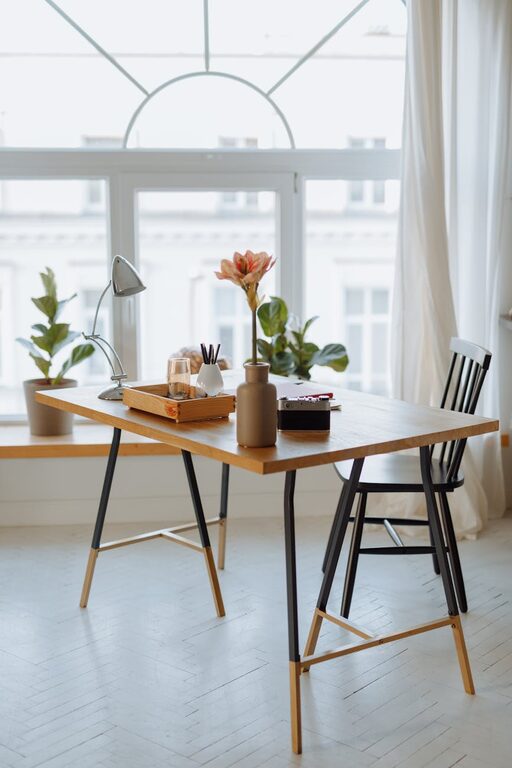
Natural light helps reduce eye strain and lifts your mood. Position your desk near a window, but avoid glare on your computer screen. If natural light is limited, use warm, bright artificial lighting to keep the space vibrant and inviting.
Invest in Comfortable and Functional Furniture
Ergonomic Chair and Desk
Choose an ergonomic office chair with adjustable height and lumbar support. Sitting comfortably helps prevent back pain and fatigue. Your desk should be the right height to allow your arms to rest naturally while typing or writing.
Desk Space and Storage
Ensure your desk has enough surface area for your computer, notebooks, and other tools. Include drawers, shelves, or filing cabinets to keep your supplies organized and within reach.
Organize Your Workspace
Declutter Regularly
A cluttered desk can be distracting. Keep only essential items on your desk and store the rest. Regularly clean and reorganize your workspace to maintain focus.
Use Organizers and Accessories
Desk trays, cable organizers, and drawer dividers help you keep everything tidy. Label storage containers and files, so you can quickly find what you need.
Optimize Your Technology Setup
Reliable Internet Connection
A strong and stable internet connection is crucial for smooth video calls, downloads, and uploads. If possible, connect via Ethernet cable for more consistent speeds.
Quality Equipment
Invest in a good computer, monitor, keyboard, and mouse that suit your work needs. Consider using dual monitors to enhance multitasking and productivity.
Manage Cables
Keep cables organized and out of the way to prevent a messy workspace and reduce hazards. Use clips or cable sleeves to bundle wires neatly.
Create a Personalized and Inspiring Atmosphere
Add Personal Touches
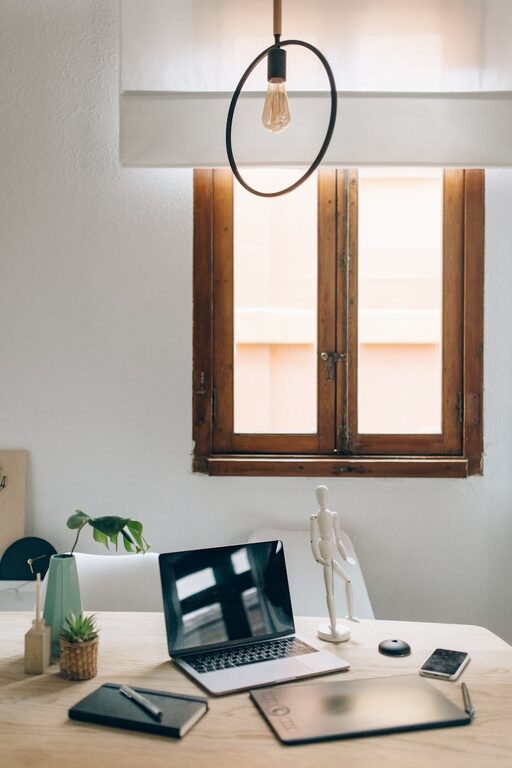
Decorate your workspace with items that inspire and motivate you, such as photos, artwork, or plants. Personal touches make your office feel welcoming and boost creativity.
Incorporate Plants
Indoor plants improve air quality and create a calming environment. They also add a touch of nature, which can reduce stress.
Establish Boundaries and Routines
Set Work Hours
Define your working hours and stick to them. Clear boundaries help you separate work from personal time, which is important for maintaining balance.
Take Regular Breaks
Schedule breaks to stretch, hydrate, and rest your eyes. Short breaks can improve concentration and prevent burnout.
Use Noise-Canceling Tools
If your environment is noisy, consider using noise-canceling headphones or white noise machines to minimize distractions.
Maintain Good Ergonomics
Position Your Monitor Correctly
Place your computer screen at eye level about an arm’s length away to reduce neck and eye strain.
Use Proper Lighting
Avoid harsh overhead lights and position desk lamps to reduce glare and shadows.
Practice Good Posture
Sit with feet flat on the ground, back straight, and shoulders relaxed. Adjust your chair and desk height as needed throughout the day.
Keep Your Workspace Clean and Fresh
Regular Cleaning
Dust and clean surfaces weekly to maintain a healthy environment. A clean desk promotes a clear mind.
Air Quality
Ensure good ventilation. If possible, open windows or use an air purifier to keep the air fresh.
—
Setting up a productive home office environment takes some planning and effort, but the benefits are well worth it. By focusing on comfort, organization, and personal preferences, you can create a space that supports your best work every day. Try these tips to make your home office a place where productivity and well-being go hand in hand.