
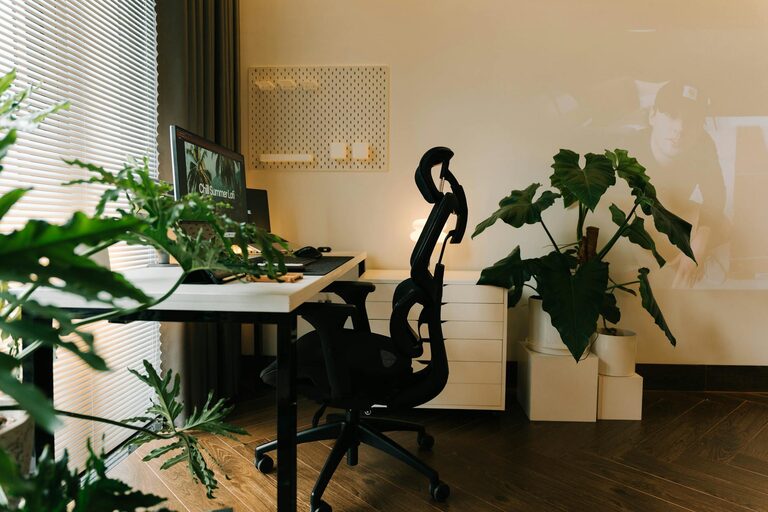
Creating a relaxing home workspace is essential for anyone working remotely or spending significant time on projects at home. A well-designed environment can improve focus, reduce stress, and help maintain a healthy work-life balance. In this post, we’ll explore practical tips for setting up a comfortable and productive home workspace that feels inviting and supports your best work.
Why a Relaxing Workspace Matters
Working from home offers flexibility, but it can also bring distractions and discomfort if your workspace isn’t thoughtfully arranged. When your workspace is relaxing, it naturally encourages concentration and creativity. Stress levels can drop, and you’ll likely enjoy your workday more. A calming environment also helps prevent burnout by signaling when it’s time to work and when it’s time to unwind.
Choose the Right Location in Your Home
Find a Quiet Spot
Select a space where noise and interruptions are minimal. This might be a spare room, a corner of your living room, or even a section of your bedroom. The key is finding an area where you can focus without frequent distractions from family members or household activities.
Consider Natural Light
Position your desk near a window if possible. Natural light improves mood and alertness while reducing eye strain. If natural light is limited, invest in quality artificial lighting like adjustable desk lamps with soft, warm light.
Invest in Comfortable and Functional Furniture
Ergonomic Chair and Desk
Your chair should provide good back support and encourage a healthy posture. Look for adjustable chairs to customize height and backrest angle. Pair it with a desk at a comfortable height for typing and writing to avoid strain on your wrists and shoulders.
Desk Organization
Choose a desk that fits your work style. Some people prefer a large surface for spreading out papers, while others favor a minimalist approach. Use drawer organizers or desktop trays to keep essentials close but tidy.
Personalize Your Space with Calming Decor
Soothing Colors
Soft, neutral colors like light blues, greens, and grays promote relaxation and focus. Avoid overly bright or bold colors that can be distracting or tiring to look at for long periods.
Plants and Natural Elements
Adding plants brings a touch of nature indoors and helps improve air quality. Small potted plants or succulents can brighten your workspace and create a more serene atmosphere.
Artwork and Inspiration
Select art or photos that inspire you or make you feel calm. Avoid cluttering walls; a few well-chosen pieces can have a big impact without overwhelming the space.
Minimize Clutter and Maintain Organization
Declutter Regularly
A messy workspace can increase anxiety and make it harder to concentrate. Spend a few minutes at the end of each workday clearing your desk and filing papers. This creates a fresh start for the next day.
Use Storage Solutions
Shelves, filing cabinets, or storage boxes help keep supplies and documents organized and out of the way. Label containers for quick access.
Incorporate Elements for Comfort and Relaxation
Temperature and Airflow
Keep your workspace well-ventilated and at a comfortable temperature. If possible, open a window or use a fan for fresh air.
Noise Control
Use noise-canceling headphones or white noise machines if ambient sounds are distracting. Alternatively, play soft instrumental music to mask background noise and improve concentration.
Break Area Nearby
If your space allows, set up a small spot with a comfortable chair or cushion nearby for short breaks. Changing your posture and environment during breaks helps recharge your mind.
Establish a Routine and Boundaries
Set Work Hours
Create consistent work hours to help separate work time from personal time. Clear boundaries reduce stress and make relaxation easier when your workday ends.
Designate Workspace Use
Try to keep work activities confined to your designated workspace. Avoid doing work in bed or on the couch to help your brain associate the workspace with productivity.
Leverage Technology Wisely
Cable Management
Keep cords and cables neatly organized using clips or sleeves. This reduces visual clutter and prevents accidents.
Use Productivity Tools
Take advantage of apps and tools that help organize tasks, schedule breaks, and track your progress. They can boost efficiency without adding stress.
Final Thoughts
Creating a relaxing home workspace doesn’t require a major renovation. Simple thoughtful changes to location, furniture, decor, and organization can transform your environment and make work feel less like a chore. By nurturing comfort and calm, you’ll support your productivity and well-being day after day.
Remember, the best workspace is one that reflects your personal needs and preferences—experiment and adjust as you find what works best for you!