
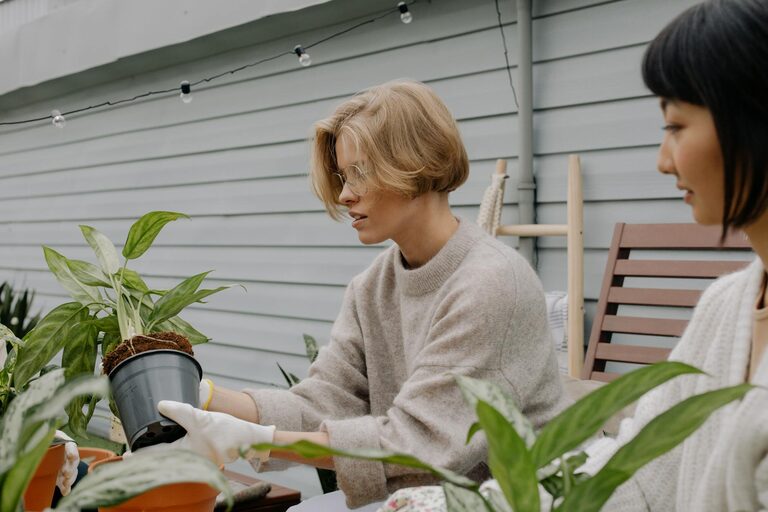
Creating a sustainable and enjoyable home garden is a rewarding way to connect with nature, reduce your environmental footprint, and grow fresh, healthy plants. Whether you have a small balcony, a backyard, or just a sunny windowsill, adopting sustainability practices can make your gardening experience better for you and the planet.
In this post, we’ll explore tips and ideas that help you establish a garden that thrives while using resources wisely and minimizing waste.
Start with Smart Planning
Before planting, consider the space and resources available. Planning your garden layout with sustainability in mind can save water, energy, and materials.
– Choose native plants: They are adapted to your local climate and soil, requiring less water and care.
– Assess sunlight: Observe your garden area to map sunny and shady spots, which will guide plant placement.
– Plan for biodiversity: Include a mix of flowers, vegetables, herbs, and shrubs to attract pollinators and beneficial insects.
Taking time to design your garden thoughtfully leads to healthier plants and less maintenance.
Improve Your Soil Naturally
Healthy soil is the foundation of a successful garden. It supports plant growth, retains moisture, and prevents erosion.
– Use compost: Create your own compost from kitchen scraps and garden waste to enrich soil fertility.
– Mulch regularly: Apply organic mulch like straw or wood chips to retain moisture and suppress weeds.
– Avoid chemical fertilizers: Opt for natural amendments such as manure, bone meal, or seaweed extract to nourish plants safely.
Good soil management reduces the need for synthetic inputs and supports a vibrant ecosystem underground.
Conserve Water Efficiently
Water conservation is key in sustainable gardening, especially in areas prone to drought.
– Install drip irrigation: This targeted watering system reduces waste by delivering water directly to plant roots.
– Collect rainwater: Use barrels to capture rain from your roof and use it for irrigation.
– Water in the morning: Early watering helps reduce evaporation and fungal growth on plants.
– Choose drought-tolerant plants: Species that require less water thrive well with minimal irrigation.
Efficient water use protects this valuable resource and keeps your garden healthy.
Embrace Organic Practices
Avoiding harmful chemicals helps protect beneficial insects, soil life, and your family’s health.
– Use natural pest control: Introduce ladybugs, lacewings, or make homemade insecticidal soap from safe ingredients.
– Rotate crops: Changing plant locations each season prevents soil depletion and pest buildup.
– Grow companion plants: Plant herbs or flowers that repel pests and improve growth, like marigolds near tomatoes.
Organic gardening promotes balance in your garden ecosystem and encourages sustainability.
Reuse and Recycle Materials
Incorporate reused and recycled items to reduce waste and add character to your garden.
– DIY containers: Turn old buckets, pallets, or tires into planters.
– Reuse plant supports: Bamboo sticks or reclaimed wood can serve as trellises and stakes.
– Collect seeds: Save seeds from mature plants to grow new ones next season.
Getting creative with materials cuts costs and lessens your environmental impact.
Create a Habitat for Wildlife
A sustainable garden supports local wildlife and encourages biodiversity.
– Plant flowering species: They provide nectar for bees and butterflies.
– Add water features: Small ponds or birdbaths offer hydration for birds and insects.
– Leave natural debris: Dead leaves and logs create habitat for beneficial organisms.
Fostering wildlife enriches your garden’s health and your enjoyment.
Keep Your Garden Fun and Relaxing
A garden is not just for growing plants; it’s also a space for relaxation and inspiration.
– Incorporate seating: Add a bench or chair to enjoy your handiwork.
– Use sensory plants: Plant herbs like lavender or mint for fragrance and touch.
– Decorate with art: Add sculptures, wind chimes, or colorful pots to personalize your space.
An inviting garden encourages you to spend time outdoors and appreciate nature’s beauty.
—
With thoughtful choices, sustainable gardening becomes a joyful practice that benefits both you and the environment. Start small, observe how your garden responds, and grow your knowledge season after season. Happy gardening!