Creating a cozy and productive home workspace is essential for anyone working from home or pursuing personal projects. A well-designed workspace can help you stay focused, reduce stress, and make your workday more enjoyable. In this blog post, we’ll explore practical tips to transform your home area into an inviting and efficient place to get things done.
Why a Cozy Workspace Matters
When you work from home, the environment around you plays a big role in how well you perform. A workspace that feels warm and welcoming can improve your mood and motivation. At the same time, it needs to support productivity by minimizing distractions and keeping you organized.
Choosing the Right Spot
The first step is selecting a space for your home workspace. Consider the following:
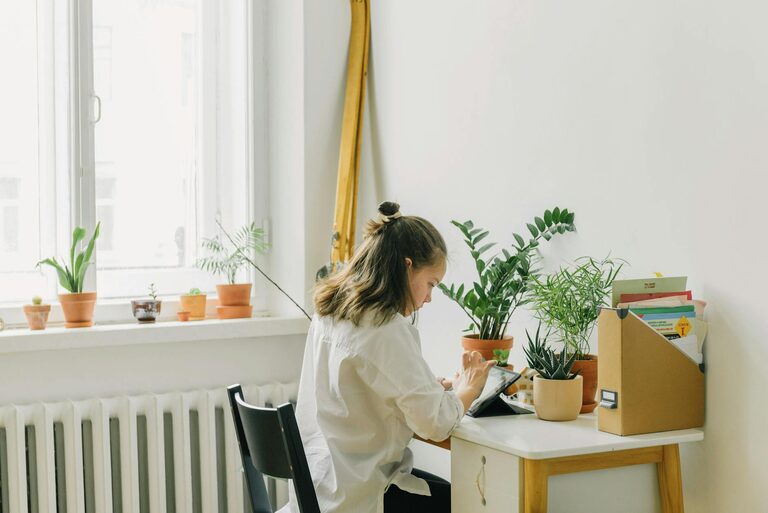
– Natural Light: Set up near a window if possible. Natural light helps reduce eye strain and boosts your energy.
– Quiet Area: Find a spot with minimal noise and foot traffic to stay focused.
– Space: Make sure there’s enough room for your desk, chair, and any equipment you need.
– Separation: Try to keep your workspace separate from relaxation areas like the couch or bed to create a mental boundary between work and rest.
Furniture That Supports Comfort and Productivity
Your furniture plays a key role in both coziness and efficiency.
Ergonomic Chair and Desk
– Choose a chair with good back support and adjustable height.
– A desk at the right height helps prevent strain on your wrists and shoulders.
– If space allows, consider a standing desk or a desk converter to alternate between sitting and standing.
Personal Touches
– Add cushions or a soft throw to your chair.
– Use a desk mat to keep your workspace neat and protect surfaces.
– Place a small rug under the desk area to warm up the floor space visually and physically.
Lighting: Bright but Gentle
Proper lighting reduces fatigue and creates a comfortable ambiance.
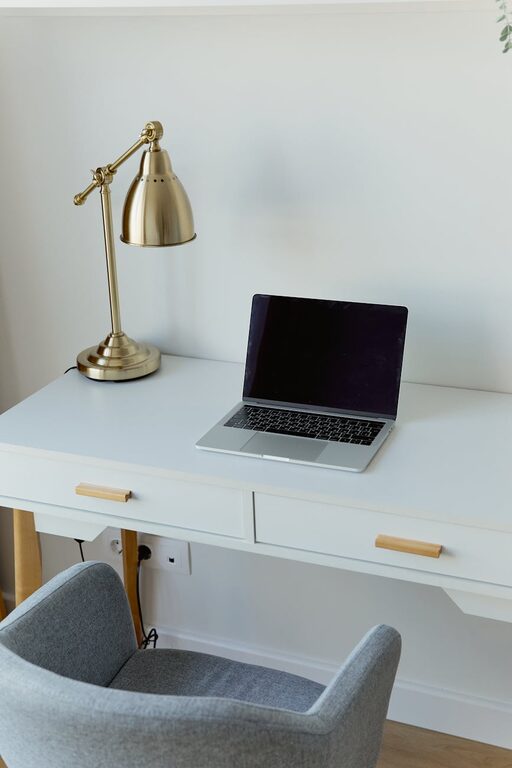
– Use layered lighting: general overhead light, task lighting (like a desk lamp), and ambient lighting (such as string lights or a small floor lamp).
– Choose bulbs with a warm white color temperature (around 2700K to 3000K) for a cozy feel.
– Avoid harsh fluorescent lights, which can be tiring.
Organizing Your Space
A clutter-free workspace helps you focus and keeps stress levels low.
– Use desk organizers, trays, or drawer dividers to store pens, paper, and other supplies.
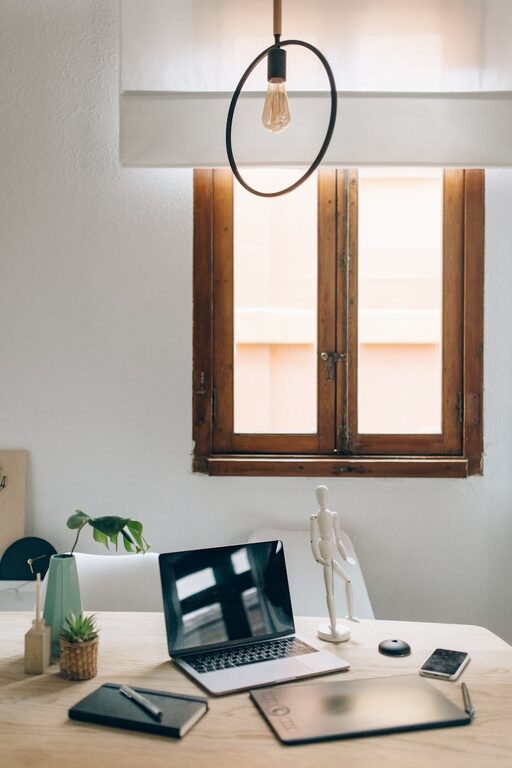
– Keep only essentials on your desk surface.
– Use shelves or cabinets to store books, files, or extra equipment.
– A bulletin board or wall organizer can help keep notes and reminders visible.
Bringing in Nature
Plants add color, improve air quality, and create a calming atmosphere.
– Choose low-maintenance plants like succulents, pothos, or snake plants.
– Even a small plant or a vase of fresh flowers can brighten your space.
– If outdoor space is limited, consider botanical prints or nature-themed decor.
Maintaining a Routine and Boundaries
The physical space is important, but how you use it matters too.
– Set specific working hours to create structure.
– Take regular breaks to stretch or step outside.
– Keep work materials in the designated area to separate work from personal life.
– End your workday by tidying your workspace to leave it inviting for the next day.
Technology and Connectivity
Reliable technology reduces frustration.
– Invest in a good internet connection for smooth video calls and downloads.
– Use a quality headset or speakers to hear and be heard clearly.
– Keep cables organized with clips or sleeves to avoid tangles.
Comfort Extras
Add elements that make your space inviting and reduce stress.
– A small diffuser with relaxing essential oils like lavender or eucalyptus.
– A cozy blanket or shawl to stay warm during cooler months.
– A water bottle or mug nearby to stay hydrated.
Final Thoughts
Designing a cozy and productive home workspace is a balance between comfort and function. By choosing the right location, furniture, lighting, and organization, you can create a space that helps you enjoy working from home while maintaining your focus and well-being. Remember, small tweaks can make a big difference over time, so start with what feels most important to you and adjust as you go. Happy decorating!